Chopped Vegetable Salad: The Ultimate Guide to Creating Crunchy, Flavor-Packed Perfection
I still remember the first time a chopped vegetable salad changed my lunch game forever. It was a sticky summer day years ago, and I threw together whatever fresh produce I had in the fridge—cucumbers, bell peppers, a lonely carrot—chopping them all into tiny, uniform bits because I was too lazy to chew through big chunks. One bite later, every flavor hit at once: crisp, tangy, sweet, and savory. No more fishing for that single cucumber slice hiding at the bottom of the bowl. That moment hooked me, and I’ve been obsessed ever since. If you’re tired of limp leafy salads that feel like a chore, this guide will show you exactly why chopped vegetable salad deserves a permanent spot in your kitchen rotation.
What Is a Chopped Vegetable Salad?
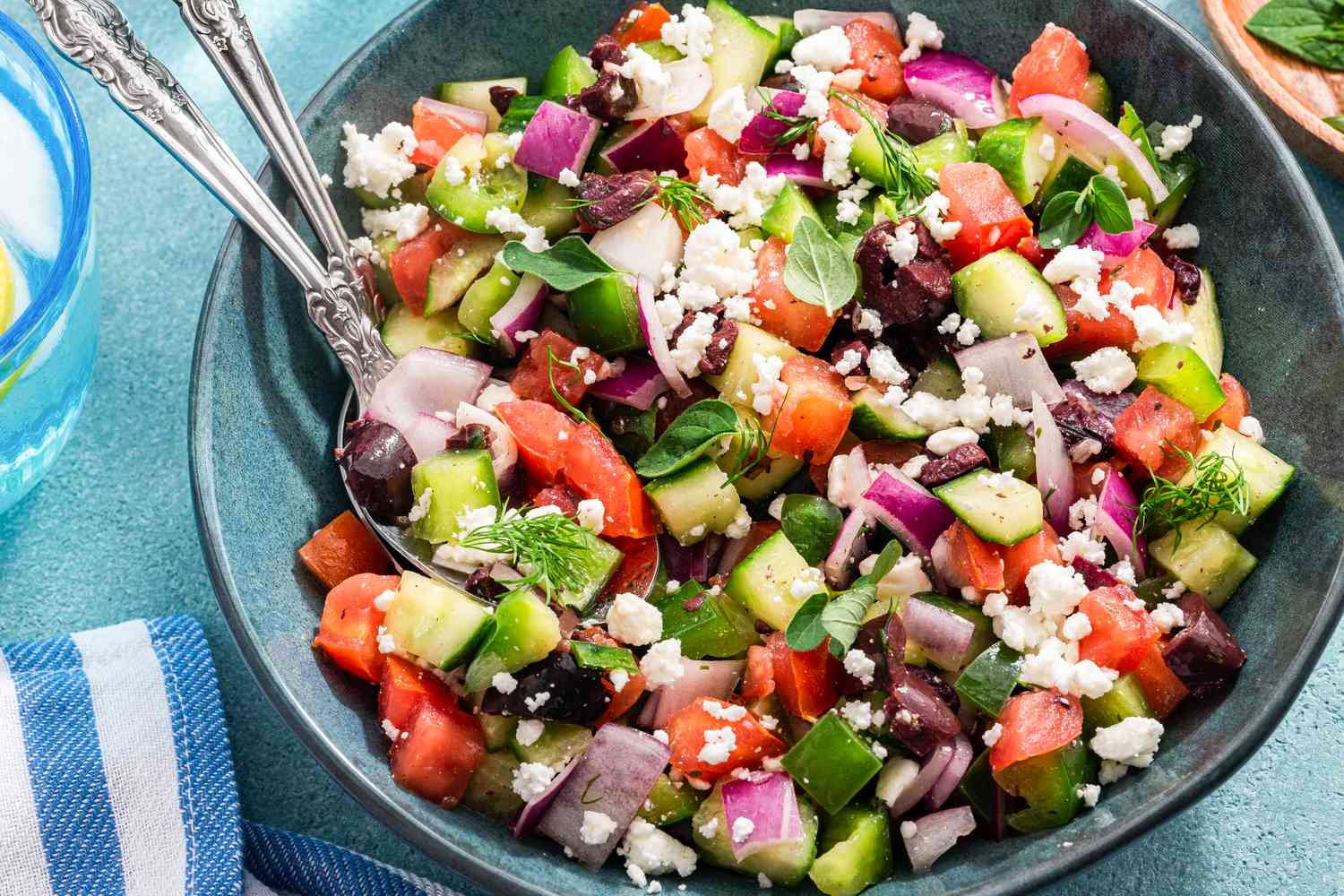
A chopped vegetable salad takes fresh, raw veggies and cuts them into small, even pieces—usually about a quarter-inch dice—so every forkful delivers the perfect mix of textures and tastes. Unlike traditional tossed salads where ingredients sit in separate layers, this style blends everything together for balanced flavor in each bite. It’s light, crunchy, and endlessly customizable, often skipping heavy lettuce bases in favor of vibrant produce like cucumbers, peppers, and tomatoes.
The Fascinating History Behind Chopped Vegetable Salads
Chopped salads trace their modern roots to 1950s Beverly Hills at La Scala restaurant. Owner Jean Leon created it when glamorous diners in evening gowns complained that big salad pieces were messy and hard to eat neatly. His team started finely chopping iceberg, romaine, salami, chickpeas, and cheese, turning it into an off-menu hit that celebrities couldn’t resist. What began as a practical fix quickly became a craveable staple.
How Chopped Salads Became a Celebrity Obsession
Hollywood stars like Marilyn Monroe, Natalie Wood, and later Elizabeth Taylor flocked to La Scala for the dish because it was elegant yet effortless. Wolfgang Puck elevated the concept in the 1980s at Spago with his Chino Chopped Salad, using ultra-fresh farm vegetables that tasted worlds better than anything else in town. The trend spread nationwide through California Pizza Kitchen, landing chopped salads in malls and everyday menus while keeping that LA glamour intact.
Why Chopped Vegetable Salads Taste So Much Better Than Regular Ones
The magic lies in the uniform chopping. Every ingredient gets equal billing—no more overwhelming bites of onion or bland forkfuls of lettuce. The small pieces also release more juices and aromatics, creating natural flavor harmony without extra effort. It feels like a party in your mouth, and the crunch factor makes it oddly addictive, even on the hottest days when you’d normally reach for something cold and simple.
The Secret to That Irresistible Crunch in Every Bite
Uniform size is everything. Aim for pieces small enough to eat with a spoon if you want, but not so tiny they turn to mush. This technique maximizes surface area for dressing to cling perfectly while preserving that satisfying snap. I once rushed a chop job at a family picnic and regretted it—the uneven pieces made the salad feel chaotic. Lesson learned: slow down and dice with intention.
Health Benefits That Make Chopped Vegetable Salads a Daily Winner
Packed with fiber from raw veggies, these salads support digestion, steady blood sugar, and that full-but-light feeling that curbs overeating. They deliver antioxidants, vitamins A, C, and K for immune support and glowing skin, plus hydration from high-water-content produce like cucumbers and tomatoes. Studies on vegetable-rich salads show improved lipid profiles and better nutrient absorption overall, making this one of the easiest ways to hit your daily veggie goals without feeling deprived.
Nutrient Breakdown: What Your Body Gains from Each Bowl
- Fiber for gut health and weight management
- Vitamin C from peppers and tomatoes to fight inflammation
- Potassium from carrots and cucumbers for heart support
- Natural hydration that beats plain water on busy days
Choosing the Best Vegetables for Your Chopped Salad
Focus on firm, colorful produce that holds up well when diced. Mix textures—crunchy carrots with juicy tomatoes and crisp cucumbers—for the ultimate mouthfeel. Seasonal picks shine brightest, but year-round staples like bell peppers keep it exciting. I always raid the farmers market first because the fresher the veg, the louder the crunch.
Top 10 Vegetables That Elevate Any Chopped Salad
- English cucumbers for refreshing coolness
- Rainbow bell peppers for sweet crunch and color
- Carrots for natural sweetness and beta-carotene
- Red onions or scallions for sharp bite
- Cherry tomatoes for juicy bursts
- Broccoli florets for hearty texture
- Radishes for peppery snap
- Celery for classic crunch
- Sugar snap peas for garden-fresh sweetness
- Cauliflower for mild nuttiness
Essential Tools and Techniques for Perfect Chopping
A sharp chef’s knife and sturdy cutting board are non-negotiable. Dull blades bruise veggies and create uneven results that water down the salad. Work in batches, keeping pieces consistent so flavors mingle evenly. It takes practice, but once you nail it, prep feels meditative rather than tedious.
Knife Skills 101 for Chopped Vegetable Salad Success
Slice long veggies like carrots into planks first, then stack and dice crosswise. For peppers, remove seeds and ribs before cutting into strips and chopping. Cucumbers benefit from seeding if they’re watery. Pro tip: chill your knife and board for extra crisp cuts that don’t release excess moisture.
Mastering the Perfect Dressing for Chopped Salads
A simple vinaigrette ties everything together without overpowering the fresh produce. Lemon-garlic or mustard-based versions are my go-tos because they brighten without heaviness. The small veggie pieces soak up flavor fast, so start light and toss gently—you can always add more.
Classic Lemon Garlic Vinaigrette Recipe
Whisk minced garlic, fresh lemon juice, olive oil, Dijon mustard, a splash of water, salt, and pepper. It comes together in under a minute and keeps the salad bright for days. I first tried this combo on a whim during a week of meal prepping and never looked back.
Creative Variations to Keep Things Fresh
Swap in seasonal heroes or global spices to reinvent the salad weekly. Mediterranean herbs bring sunshine, while Asian sesame notes add warmth. These twists prove chopped vegetable salad is anything but boring once you experiment.
Mediterranean-Style Chopped Vegetable Salad
Load up on cucumbers, tomatoes, bell peppers, red onion, parsley, and a touch of feta or chickpeas. Finish with olive oil, lemon, and oregano for that sun-drenched taste I first fell in love with on a trip years ago.
Asian-Inspired Crunchy Chopped Vegetable Salad
Mix carrots, cabbage, snap peas, radishes, and scallions with a sesame-ginger dressing. Add edamame or toasted seeds for protein. The bright, zingy flavors remind me of takeout but without the guilt.
Summer Garden Chopped Vegetable Salad
Combine corn, green beans, zucchini, tomatoes, and fresh herbs straight from the backyard. Light lemon dressing keeps it picnic-ready—perfect for those backyard barbecues where everyone asks for seconds.
Step-by-Step Guide to Making the Ultimate Chopped Vegetable Salad
Start with the freshest produce you can find. Chop everything uniformly, whisk your dressing, toss gently, and chill briefly if possible. The whole process takes about 15 minutes once you’re practiced, and the payoff is massive.
Basic Chopped Vegetable Salad Recipe
Ingredients (serves 4 as a side or 2 as a main):
- 1 English cucumber, diced
- 2 bell peppers (mixed colors), diced
- 1 cup cherry tomatoes, halved
- 2 carrots, diced
- ½ red onion, finely diced
- ¼ cup fresh parsley, chopped
- Optional: 1 cup chickpeas or feta for protein
Garlic Lemon Dressing:
- 2 garlic cloves, minced
- Juice of 1 large lemon
- 2 tbsp olive oil
- 1 tbsp Dijon mustard
- Salt and pepper to taste
Instructions:
- Prep all vegetables into uniform ¼-inch pieces.
- Whisk dressing ingredients in a small bowl.
- Combine veggies in a large bowl, pour dressing over, and toss lightly.
- Chill 30 minutes for best flavor melding.
Meal Prep Tips That Save Time and Keep It Fresh
Chop veggies ahead and store components separately in airtight containers. Add dressing only when ready to eat to avoid sogginess. This method kept me eating healthy through busy workweeks when takeout tempted me daily.
Common Mistakes to Avoid When Making Chopped Salads
Over-chopping until mushy or using watery produce without draining ruins the crunch. Skipping uniform sizing leads to uneven flavor distribution. I’ve made both errors and learned the hard way—patience pays off.
Pros and Cons of Chopped Vegetable Salads
Pros:
- Every bite tastes balanced and exciting
- Higher veggie intake without noticing
- Excellent for meal prep and parties
- Naturally low-calorie yet filling
Cons:
- Requires more upfront chopping time
- Can release moisture if not eaten promptly
- Less forgiving with very soft produce
Chopped Vegetable Salad vs. Traditional Tossed Salads: Side-by-Side Comparison
| Aspect | Chopped Vegetable Salad | Traditional Tossed Salad |
|---|---|---|
| Texture | Uniform crunch in every bite | Varied, with large leaves possible |
| Flavor Distribution | Perfectly even | Can be uneven |
| Prep Time | 15-20 minutes | 10 minutes |
| Meal Prep Longevity | 3-5 days if dressed separately | Best eaten same day |
| Appeal to Kids | Fun, bite-sized pieces | Often requires picking through leaves |
Where to Source Quality Ingredients for Chopped Salads
Farmers markets or well-stocked grocery produce sections offer the brightest options. For herbs and specialty items, local ethnic markets sometimes yield gems like fresh dill or unique peppers. Online delivery works in a pinch, but nothing beats hand-picking your own veggies.
Best Tools for Streamlining Chopped Vegetable Salad Prep
A sharp 8-inch chef’s knife handles most tasks beautifully. Mandolines speed thin slicing for radishes, while a good salad spinner dries greens if you add them. These small investments cut prep time dramatically once you’re hooked.
People Also Ask About Chopped Vegetable Salads
What makes a chopped salad different from a regular salad?
The fine, uniform dicing creates harmony in every bite instead of layered ingredients that you chase with your fork.
Is chopped vegetable salad healthy?
Absolutely—it boosts fiber, vitamins, and hydration while staying low in calories, making it ideal for balanced eating.
How long does chopped vegetable salad last in the fridge?
Undressed components keep 4-5 days; dressed versions last 2-3 days before softening.
Can you add protein to chopped vegetable salad?
Yes—chickpeas, feta, grilled chicken, or nuts turn it into a satisfying main dish without losing the fresh vibe.
What are the best dressings for chopped vegetable salads?
Bright vinaigrettes like lemon-garlic or mustard-based ones cling perfectly to the small pieces and enhance natural flavors.
FAQ: Your Top Questions Answered
How do I keep my chopped vegetable salad from getting watery?
Pat veggies dry after chopping and store dressing separately until serving time.
Can chopped vegetable salad be made vegan?
Easily—just skip cheese and use plant-based add-ins like chickpeas or seeds.
What’s the best way to serve chopped vegetable salad at a party?
Chill it well and offer it in a large bowl with tongs so guests can scoop easily.
Do I need special equipment to make chopped salads?
No—a good knife and cutting board are plenty for restaurant-quality results at home.
Why does chopping everything small improve the taste so much?
It forces flavors to mingle immediately, creating that craveable “one perfect bite” experience every time.
Chopped vegetable salad isn’t just another side dish—it’s a celebration of fresh produce that rewards a little extra knife work with big flavor payoff. Whether you’re meal-prepping for the week, feeding a crowd, or simply craving something vibrant and healthy, this style delivers every single time. Grab your knife, hit the produce aisle, and start chopping. Your taste buds (and your body) will thank you.