Easy Greek Salad: Your Effortless Ticket to Mediterranean Bliss
I still remember the first time I tasted a true Greek salad on a tiny balcony in Santorini. The sun was beating down, the Aegean sparkled below, and one bite of those juicy tomatoes, crisp cucumbers, and briny feta transported me straight to summer heaven. No fancy chopping marathon, no mystery ingredients—just pure, fresh flavor in minutes. That’s the magic of an easy Greek salad. It’s the kind of recipe that makes you feel like a pro without any stress, and once you nail it, you’ll crave it all year long.
What Makes Easy Greek Salad So Special
This no-cook classic, often called Horiatiki or village salad back home in Greece, celebrates the simplest things: ripe produce straight from the garden or market, a drizzle of golden olive oil, and a sprinkle of oregano that smells like the islands. It’s not just a side dish—it’s a full-on mood lifter that fits busy weeknights, backyard BBQs, or lazy Sunday lunches. Best part? You can throw it together in under 15 minutes with stuff you probably already have or can grab in one quick store run.
The Authentic Roots of Horiatiki Salad
Horiatiki started as peasant fare in rural Greece, where farmers tossed whatever grew in their fields—tomatoes, cukes, onions, peppers—into a bowl with olives, feta, oil, and herbs. No lettuce in the real deal; that’s a later American twist. It became the iconic salad we know today around the 1960s when tavernas added a block of feta to dodge price controls on other ingredients. Today it’s a staple from Athens tavernas to Cyprus family tables, proving simplicity always wins.
How Greek Salad Evolved Over Time
Over decades, regional tweaks popped up—like caper berries on Cyclades islands or peeled cucumbers on Hydra—but the heart stayed the same: fresh, seasonal, zero fuss. Outside Greece, versions added romaine or extra bells and whistles, yet the traditional horiatiki keeps it honest. That evolution shows why an easy Greek salad recipe travels so well—it adapts without losing its soul.
Why This Easy Greek Salad Recipe Stands Out
Unlike fussy chopped salads loaded with 15 ingredients or creamy dressings that weigh you down, this one shines with just six to eight core items. It’s naturally gluten-free, vegetarian, and keto-friendly if you watch portions. Plus, it screams Mediterranean diet—think heart-healthy fats and antioxidant-packed veggies. I’ve made it for picky kids, fancy dinner guests, and everything in between, and it never disappoints.
Gathering Your Fresh Ingredients
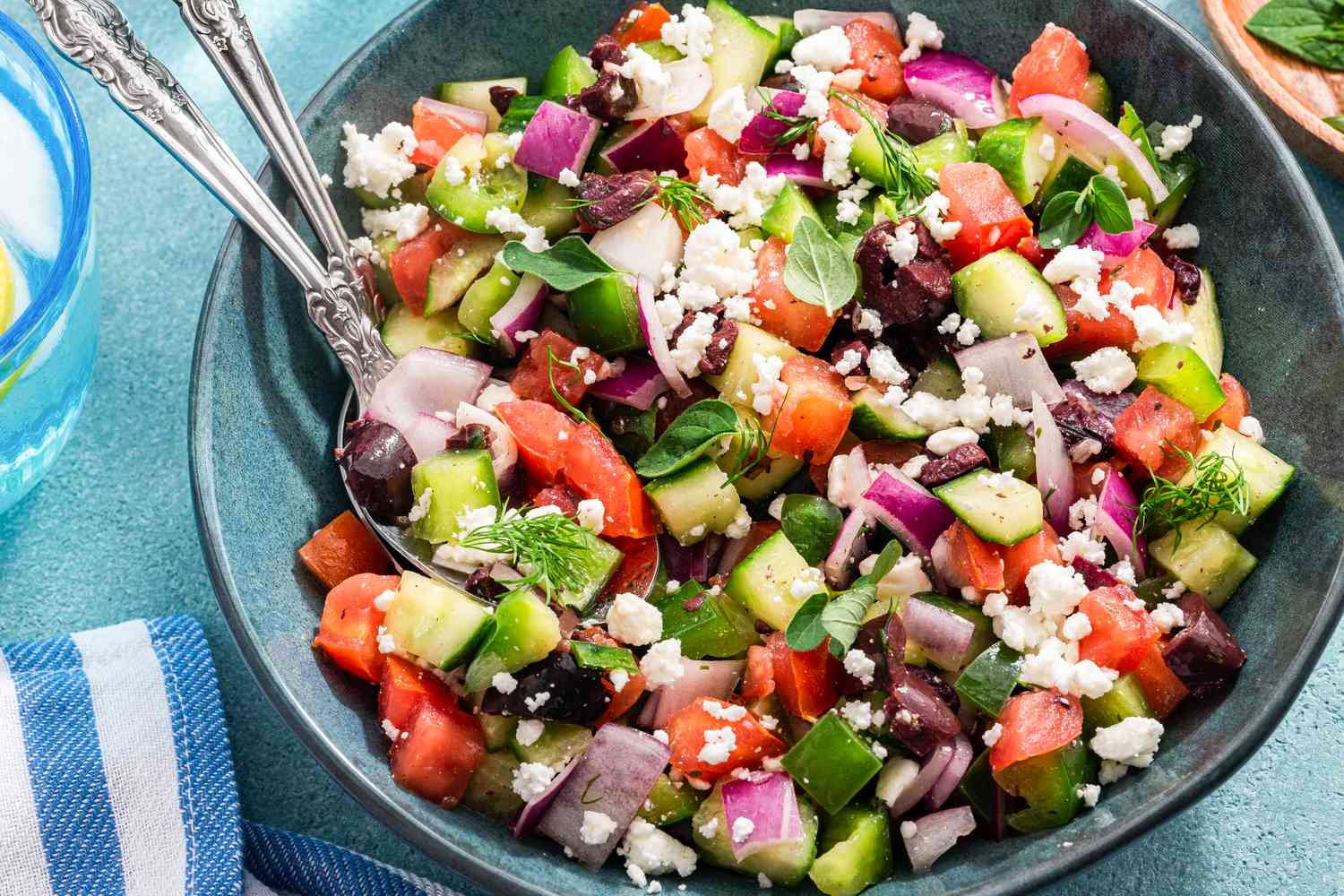
Start with the best produce you can find because quality is everything here. Skip sad grocery tomatoes; hunt for vine-ripened or heirloom ones bursting with juice. English cucumbers work wonders for their mild sweetness and fewer seeds. Grab a block of real Greek feta in brine—not the pre-crumbled stuff—for that creamy, salty punch. Kalamata olives add the perfect briny bite. A green bell pepper brings crunch and subtle sweetness. Red onion for sharpness, dried oregano for that unmistakable aroma, extra-virgin olive oil, and a splash of red wine vinegar or lemon. Salt to taste. That’s it—no measuring cups full of extras required.
Choosing the Best Tomatoes and Cucumbers
Ripe but firm tomatoes prevent a watery mess, while partially peeled cucumbers create those pretty stripes you see in every taverna photo. I always taste a sliver of onion first—if it’s too sharp, a quick ice-water soak mellows it beautifully without losing bite. These small choices turn good into unforgettable.
The Star Players: Feta and Kalamata Olives
Feta isn’t just topping; it’s the creamy counterpoint to all that veggie crispness. Buy it in a block and tear it into rustic slabs right before serving—crumbling ahead makes it soggy. Kalamata olives, pitted and plump, bring that deep, almost wine-like flavor. Skip the canned black olives; they just don’t compare.
Crafting the Perfect Simple Dressing
No whisking marathon needed. In Greece, they often just drizzle oil and vinegar straight over the bowl. For my easy version, I mix ¼ cup extra-virgin olive oil, 1-2 tablespoons red wine vinegar, a pinch of oregano, salt, and pepper right in the serving dish. Shake it in a jar if you prefer. The secret? Taste as you go—bright but not overpowering.
Step-by-Step: Assembling Your Easy Greek Salad
Chop veggies into generous bite-sized chunks so each forkful feels satisfying. Layer tomatoes, cucumbers, peppers, onions, and olives in a wide shallow bowl. Sprinkle oregano and salt, then drizzle the oil and vinegar. Gently toss once or twice—over-mixing bruises the tomatoes. Finish by placing torn feta slabs on top and one last oregano shower. Serve immediately while everything stays crisp.
Prepping the Vegetables Like a Pro
Cut tomatoes into wedges, cucumbers into half-moons, peppers into rings, and onions paper-thin. A sharp knife makes all the difference; dull blades smash instead of slice. I like to arrange everything on a big platter first for that Instagram-worthy look before tossing.
Tossing It All Together Without Fuss
The beauty is in the minimal handling. One gentle turn coats everything without turning it into mush. That’s why this salad feels restaurant-fresh every single time.
Pro Tips from My Greek Kitchen Adventures
After years of tinkering (and a few hilarious fails involving too much vinegar), I learned the golden rules: room-temperature ingredients taste brighter, never refrigerate before serving, and always use the best olive oil you can afford. Light humor moment—my first attempt in college used bottled dressing and tasted like regret. Live and learn!
Nutritional Powerhouse: Benefits of Easy Greek Salad
Loaded with lycopene from tomatoes, fiber from veggies, and healthy monounsaturated fats from olive oil, this salad supports heart health, glowing skin, and steady energy. Feta adds protein and calcium; olives bring antioxidants. One generous serving clocks in around 250-350 calories, making it perfect for light lunches or sides without the guilt.
Calories and Macros Breakdown
| Serving Size | Calories | Protein | Carbs | Fat | Key Nutrients |
|---|---|---|---|---|---|
| 1 large bowl (about 2 cups) | ~300 | 8g | 15g | 25g | High in Vitamin C, K; antioxidants |
| Per 100g | ~120 | 3g | 6g | 10g | Low glycemic, Mediterranean diet staple |
These numbers vary slightly by exact portions, but it’s consistently a nutrient-dense winner.
Common Mistakes Even Pros Make
Drowning everything in dressing is the top offender—less is more. Using watery out-of-season tomatoes turns it soggy fast. Pre-crumbled feta dissolves instead of shining. And skipping the salt on veggies? You lose half the flavor magic. I’ve been there; now I double-check every time.
Delicious Variations to Keep It Fresh
Keep the base traditional but play with seasonal twists. Add capers in summer or swap red onion for shallots when it’s milder. For a heartier meal, toss in chickpeas or grilled chicken. These tweaks keep the recipe exciting without complicating things.
American-Style with Lettuce Twist
Some folks love adding chopped romaine for extra crunch and volume. It’s not authentic, but it bulks it up for potlucks. Just keep the dressing light so the greens don’t wilt.
Adding Protein for a Meal
Grilled shrimp, chickpeas, or even canned tuna turns this side into dinner. I once piled leftover gyro meat on top after a Greek festival—total game-changer.
Pairing Ideas for the Ultimate Meal
Serve alongside grilled lamb chops, spanakopita, or warm pita bread for dipping. It shines next to souvlaki or as a refreshing counter to rich moussaka. Wine pairing? Crisp Assyrtiko or rosé. Non-alcoholic? Sparkling lemonade with a mint sprig.
Meal Prep and Storage Secrets
Chop veggies up to a day ahead and store separately in the fridge. Assemble right before eating to keep that signature crunch. Leftovers hold for 24 hours max—after that, the tomatoes release too much water. Pro move: drain any liquid and refresh with a quick oil drizzle.
Comparison: Easy Greek Salad vs. Other Mediterranean Salads
| Salad Type | Key Difference | Prep Time | Best For |
|---|---|---|---|
| Easy Greek (Horiatiki) | No greens, big feta slabs, simple oil-vinegar | 10 min | Hot days, minimal effort |
| Italian Caprese | Mozzarella + basil focus | 5 min | Tomato lovers |
| Lebanese Fattoush | Pita chips + sumac | 15 min | Crunch addicts |
| Turkish Shepherd | Finer chop + pomegranate | 12 min | Spice fans |
This chart shows why Greek salad wins for pure ease and freshness.
Pros and Cons of Making Easy Greek Salad at Home
Pros:
- Lightning-fast prep
- Inexpensive everyday ingredients
- Naturally healthy and customizable
- Impressive yet foolproof
Cons:
- Best eaten fresh (no long storage)
- Quality of produce and feta matters hugely
- Can be too simple for some adventurous palates
Overall, the pros crush the cons every time.
People Also Ask About Easy Greek Salad
Wondering what everyone else searches? Here are the real questions popping up most:
- What is in a traditional Greek salad? Tomatoes, cucumbers, red onion, green bell pepper, Kalamata olives, feta, olive oil, oregano, and vinegar or lemon. No lettuce in the authentic version.
- How do you make Greek salad dressing at home? Simple 3-ingredient mix: olive oil, red wine vinegar (or lemon), dried oregano, salt, and pepper. Shake and pour—no fancy tools needed.
- Is easy Greek salad healthy? Absolutely. It’s packed with veggies, heart-healthy fats, and protein while staying low in processed carbs. Perfect for Mediterranean eating.
- Can you prepare easy Greek salad ahead of time? Chop veggies a day early, but assemble and dress just before serving to avoid sogginess.
- What’s the difference between Greek salad and horiatiki? Nothing—they’re the same thing! Horiatiki is the Greek name meaning “village salad.”
Frequently Asked Questions
Can I use bottled dressing instead of homemade?
Sure in a pinch, but the fresh oil-and-vinegar version tastes worlds better and takes 30 seconds. Once you try it homemade, you won’t go back.
What if I don’t like feta?
Try a mild goat cheese or skip it for a vegan twist with extra olives and a sprinkle of nutritional yeast. The salad still shines.
How do I make it less watery?
Salt the chopped tomatoes lightly and let them drain 10 minutes before assembling. Game-changing tip I learned the hard way.
Is this recipe gluten-free and vegetarian?
Yes on both counts. It’s naturally free of gluten and meat, making it ideal for mixed-diet crowds.
What’s the best way to serve it for a crowd?
Double the recipe and present on a big platter with extra feta on the side. Guests love building their own perfect bites.
Wrapping Up: Why You’ll Love This Easy Greek Salad Forever
There’s a reason this recipe has stood the test of time across continents and generations—it delivers maximum flavor with minimum effort. Whether you’re new to cooking or a seasoned pro chasing that vacation vibe at home, an easy Greek salad checks every box: fresh, healthy, fast, and downright delicious. Next time you need a quick win in the kitchen, grab those tomatoes and let the Mediterranean magic happen. Trust me, one bite and you’ll be hooked—just like I was on that Santorini balcony all those years ago. Go make it tonight; your taste buds (and your schedule) will thank you.